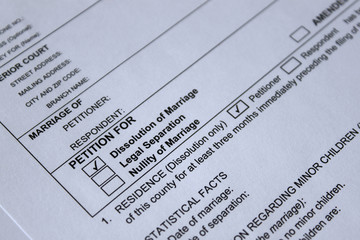

During a divorce, a variety of issues must be considered and settled, including property division, alimony, child support, and child custody. Some of the most complex topics in a divorce are in regards to financial information. One of the most important things to consider to ensure a fair and equitable divorce is total disclosure of assets, debts, and other financial information. Financial disclosure plays a significant role in divorce, so it is crucial that you understand what this entails and how it can affect the outcome of your separation. Continue reading and consult with a knowledgeable Union County divorce attorney for more information and skilled legal advice today.
What Does Financial Disclosure Mean?
The term “financial disclosure” refers to the formal legal process where each spouse reveals detailed information about their financial situation. This includes their income, assets, debts, expenses, and more.
During the disclosure process, both spouses are required to exchange complete and accurate information outlining every detail about their finances. This is done through various signed documents and forms. The documentation will include information about the following.
- Checking and savings accounts
- Retirement funds
- Investments
- Pensions
- Real estate
- Vehicles
- Business interests
- Mortgages
- Student loans
- Personal loans
- Credit card balances
- Salary and wages
- Overtime and commissions
- Employment benefits
- Monthly living expenses
- Insurance premiums
- Life insurance policies
- Inheritance
- Any other financial information
Disclosure is generally conducted during the discovery phase of the divorce and happens through sworn financial statements, affidavits, tax returns, pay stubs, bank statements, property deeds, etc.
What is the Role of Financial Disclosure in a Divorce?
As is in most states, full financial disclosure is required for all divorces in New Jersey. State law requires that both spouses be completely transparent and provide accurate and total information on their financial situation. Failing to fully disclose assets or other financial information can lead to serious legal repercussions, so abiding by the law is imperative. Courts have the authority to overturn decisions if it is later determined that one spouse hid assets or that rulings were made based on fraudulent information.
The main purpose is to ensure both spouses are treated fairly. Full disclosure is crucial for the court to make informed and fair decisions regarding property and debt division, spousal support, and child support. Without full and honest disclosure, one party may wind up with fewer benefits than they are entitled to, creating an uneven standing between the parties.
Financial disclosure helps protect your financial future and rights. As a married couple, you both are entitled to marital assets and liable for marital debts. Full transparency ensures that decisions involving finances are based on facts and follow the state’s equitable distribution principles.
For more information and to secure skilled legal representation, reach out to a skilled attorney today.